

Jeans are one of the few wardrobe items that have hardly gone out of fashion for over half a century. However, despite the versatility of denim, choosing the right model can be difficult. In stores, you can see dozens of names: slim, straight, relaxed, tapered, wide leg. Each of them represents a different silhouette, a different fit, and a different styling aesthetic.
That is why it is important to understand what types of jeans exist, how to read their names, and what to pay attention to when trying them on. Because the same model can look completely different depending on the fit, fabric, length, and even the color of the denim.
In this article, we will go through all the main types of jeans, their features, and simple rules that will help you find the perfect pair for your everyday wardrobe.
All types of jeans: how to read the names
When we see a model name on a label, it usually consists of several parameters. These describe the silhouette, fit, and overall character of the jeans.
The main parameters are:
- fit – leg shape;
- rise – waist height;
- length – length;
- design details – pockets, stitching, prints, or distressing.
For example, the label Slim Fit Mid Rise means a fitted silhouette with a mid-rise waist.
In modern fashion, these parameters are often combined, creating dozens of jean variations – from classic to more experimental models.
Jeans: types by leg cut – fit
The leg cut is the main parameter that determines the silhouette. It defines the width of the jeans at the hips, knees, and hem. It shapes the overall aesthetic of the outfit – from classic to more relaxed streetwear.
The main fits include: straight, slim, skinny, relaxed, loose, wide leg, tapered. In technical urban style, such as the one developed by TUR Wear, alternatives to classic jeans are often used – cargo pants or technical models made from fabrics similar to denim. They retain the silhouette of jeans but add functionality: pockets, reinforced textures, and comfort for active movement.
Types of jeans: names often searched separately
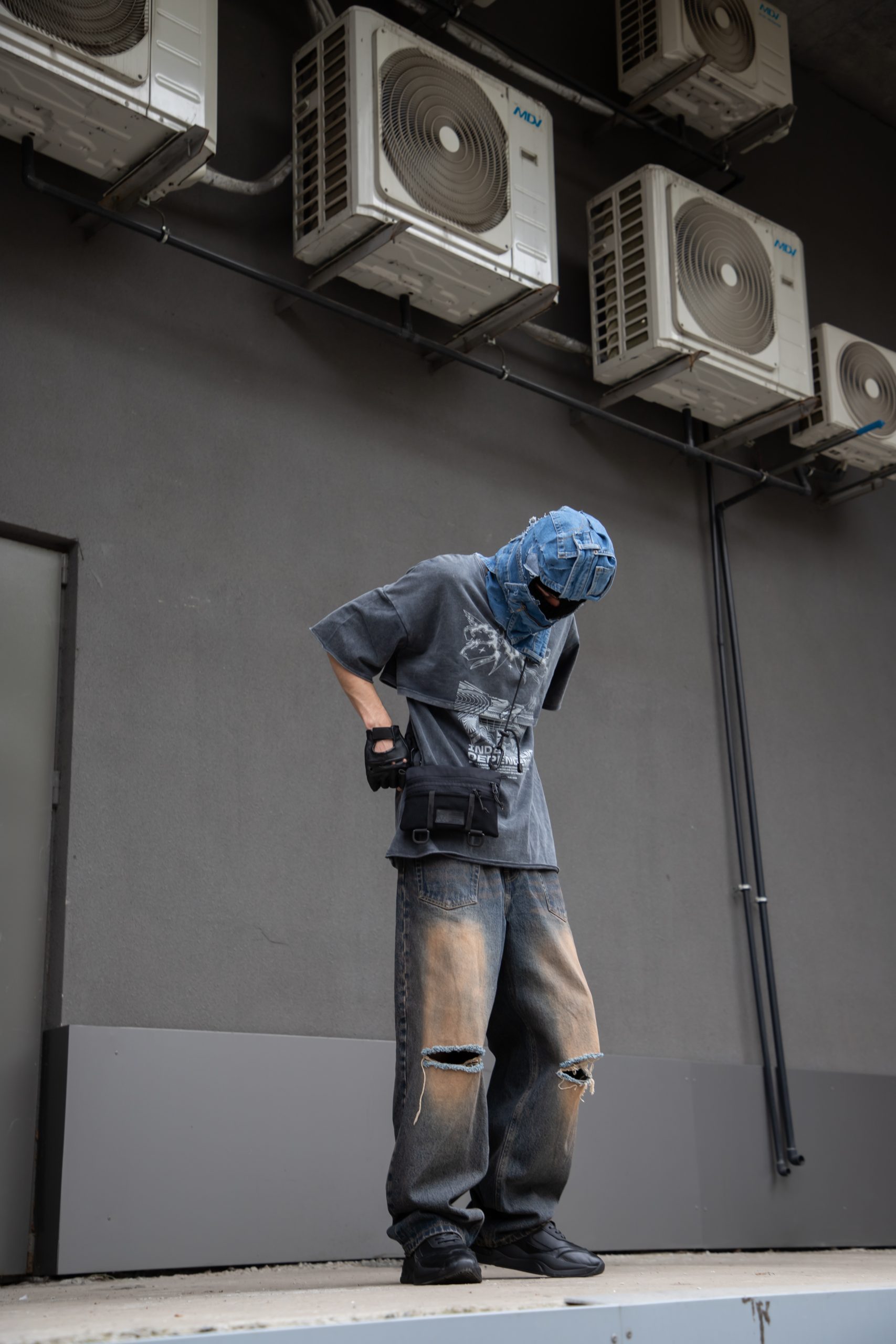
Some cuts are so popular that they are often searched as separate queries. Below is a short glossary of basic models.
| Straight | straight leg from hip to hem | fits almost every body type and creates a classic look |
| Slim | moderately tapered jeans without tight fit | works well in smart casual and urban wardrobes |
| Skinny | very tight jeans fitted to the leg | best for proportional or slim body types |
| Wide leg | wide pants with straight or flared hem | creates a modern streetwear aesthetic |
| Bootcut | slight flare from the knee | balances hips and bulky footwear |
| Flare | stronger flare from the knee | typical for retro and modern trend looks |
| Tapered | wider at the hips and narrowing down | comfortable silhouette, popular in modern urban style |
| Relaxed | loose jeans with more room in the hips | fits casual and streetwear outfits |
As a result, all types of jeans can be условно divided into three groups: classic, tapered, and loose. This determines how the model fits into your everyday wardrobe.
An example of a modern alternative to jeans from the TUR Wear catalog
In urban fashion, jeans are increasingly replaced by technical pants. For example, TUR Wear cargo models create a similar silhouette but are much more functional.
These pants are made from dense fabrics that resemble denim in durability but hold their shape better and have higher wear resistance. Thanks to a looser fit and functional pockets, they work well in everyday outfits, especially when combined with streetwear or technical jackets.
That is why many people today combine classic types of jeans with functional pants. This allows creating more modern and practical outfits.
Types of women’s jeans: how to choose for body shape and height
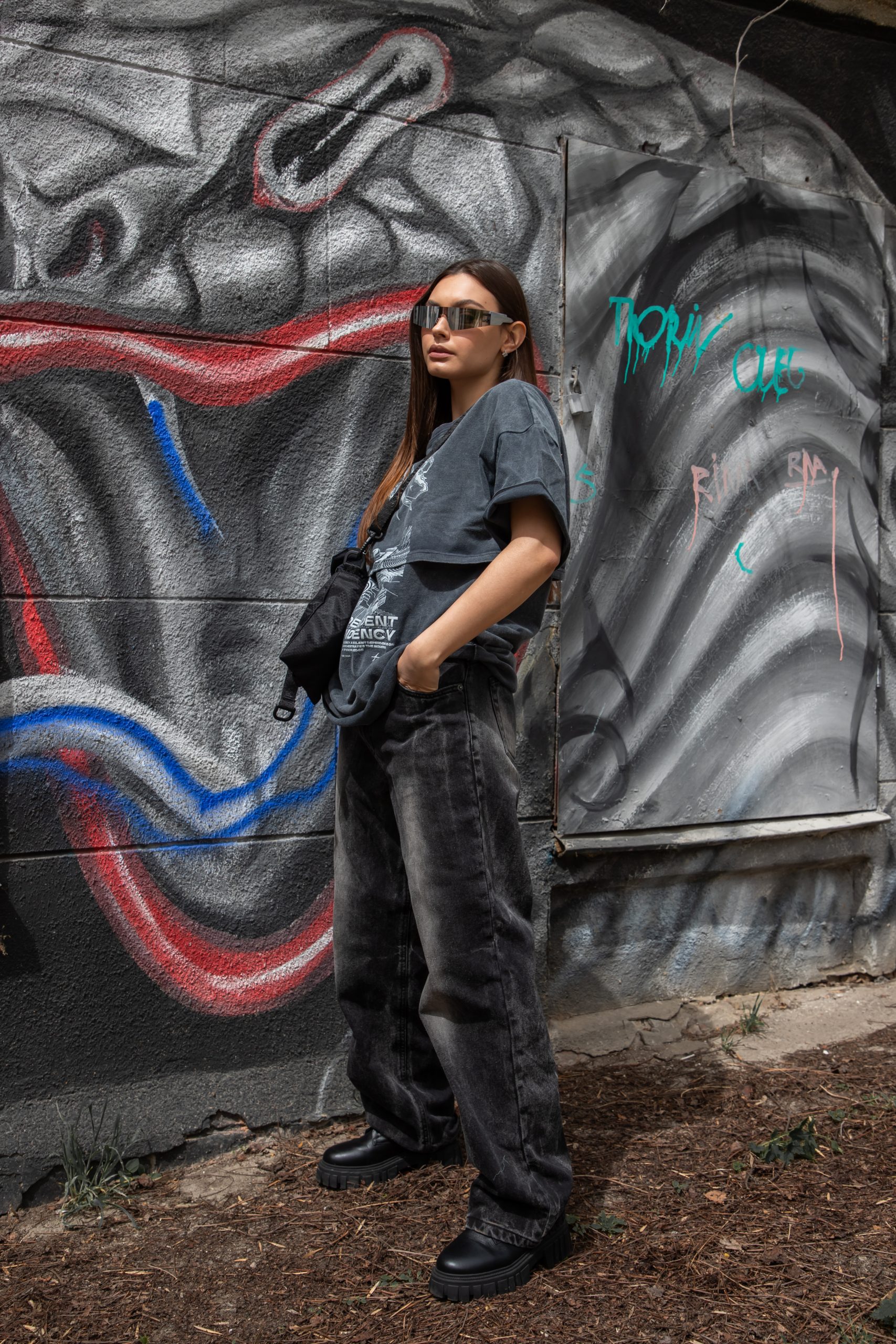
Modern fashion offers dozens of types of women’s jeans, but the key to the perfect model is choosing the right silhouette for your body. The same cut can either enhance proportions or create imbalance. That is why it is important to focus on three parameters: rise, leg width, and length.
A good fit allows you to create a balanced look without complicated styling tricks. For example, a high rise emphasizes the waist, while straight or slightly flared models balance the hips. That is why many stylists recommend building a base wardrobe with several different jean styles for different outfits.
To emphasize the waist: high rise + straight / wide leg
If you want to highlight your waist, high-rise jeans work best. They shift the visual center of the silhouette and create a more defined shape. This rise pairs especially well with straight or wide leg cuts.
This combination helps balance the upper and lower parts of the outfit and gives lightness to the overall look. In everyday wear, these jeans pair well with shirts, hoodies, or short jackets.
To balance hips: bootcut / flare / straight
If you need to visually balance hip width, consider bootcut or flare models. Their defining feature is a slight or strong widening from the knee.
This cut creates a soft silhouette, making proportions look more harmonious. Straight jeans also work well, as their clean line elongates the figure.
For “longer legs”: mid/high rise + ankle or full length
To make legs appear longer, the combination of rise and length is crucial. Mid-rise or high-rise jeans work best as they raise the waistline.
Full-length jeans or ankle-length models also look great. Both create a clean vertical line that visually elongates the silhouette. In urban fashion, these are often paired with sneakers or chunky shoes.
For shorter height: wide leg proportions and length
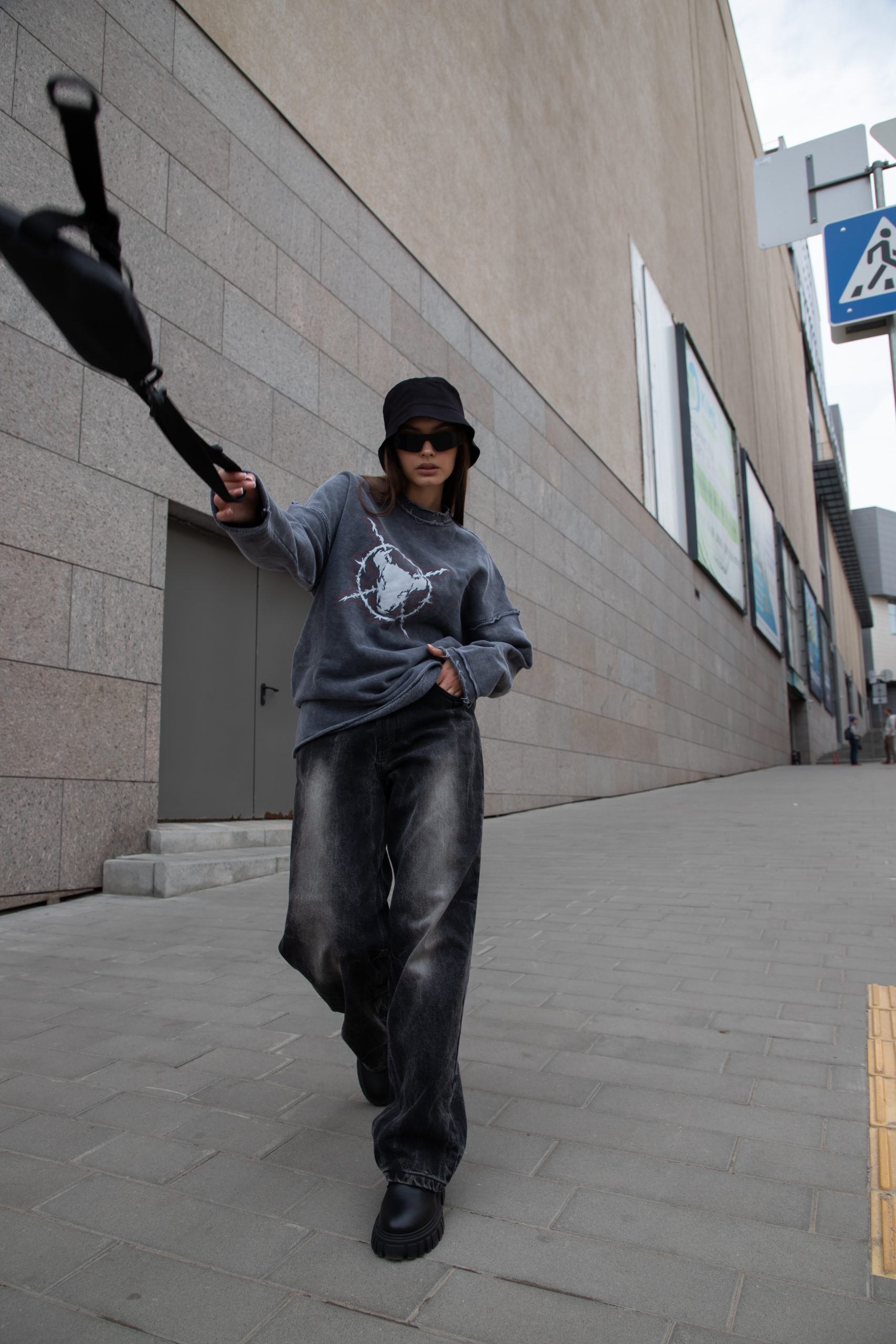
For shorter height, it is important to control leg proportions. Wide leg can look very stylish, but only if the length is chosen correctly.
The best option is jeans that nearly touch the shoes or have a slight cuff. This maintains a clear silhouette and avoids the “lost” look.
Types of men’s jeans: key models and differences
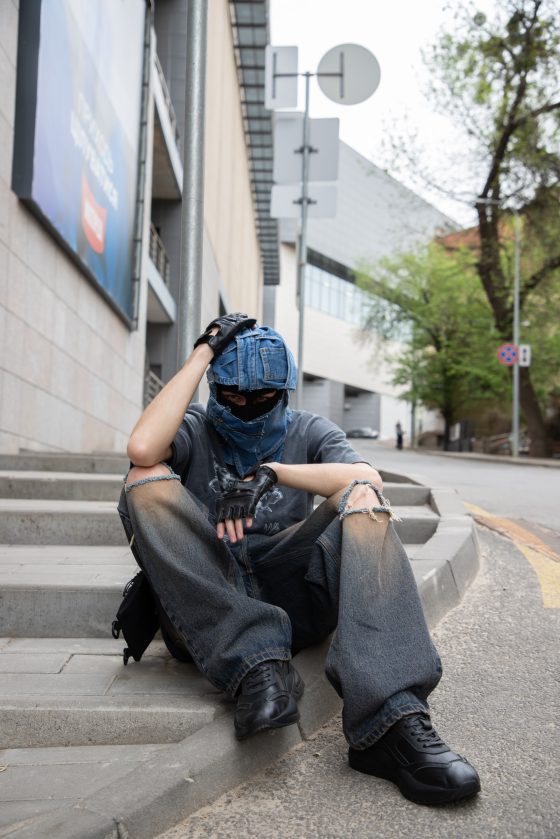
Types of men’s jeans usually have less obvious differences, but details define the style. Differences mainly concern leg width, rise, and tapering.
A classic men’s wardrobe typically includes three main models: straight, slim, and relaxed. They allow you to create both clean and modern outfits.
Regular vs Straight: how not to confuse them
Regular and straight are often confused. Regular has more room in the hips and knees, while straight maintains a consistent line along the leg.
Straight looks cleaner and more versatile, making it ideal for a basic wardrobe. Regular creates a more relaxed, casual look.
Slim for smart casual
Slim is one of the most popular men’s fits in modern fashion. It slightly narrows without being tight.
This silhouette works well in smart casual outfits with shirts, sweaters, or minimalist jackets.
Relaxed / Loose for streetwear
Relaxed or loose models have a wider fit and more space.
They are commonly used in streetwear and pair well with oversized tops.
Skinny – when it makes sense
Skinny is the most fitted type of jeans. It follows the shape of the leg closely.
Today it is less popular but still part of many wardrobes. To avoid excessive tightness, it is better to choose models with elastane.
Carrot / Tapered – a modern alternative to slim
Tapered or carrot jeans have more room at the hips and narrow toward the bottom.
This creates a modern silhouette that is more comfortable than classic slim.
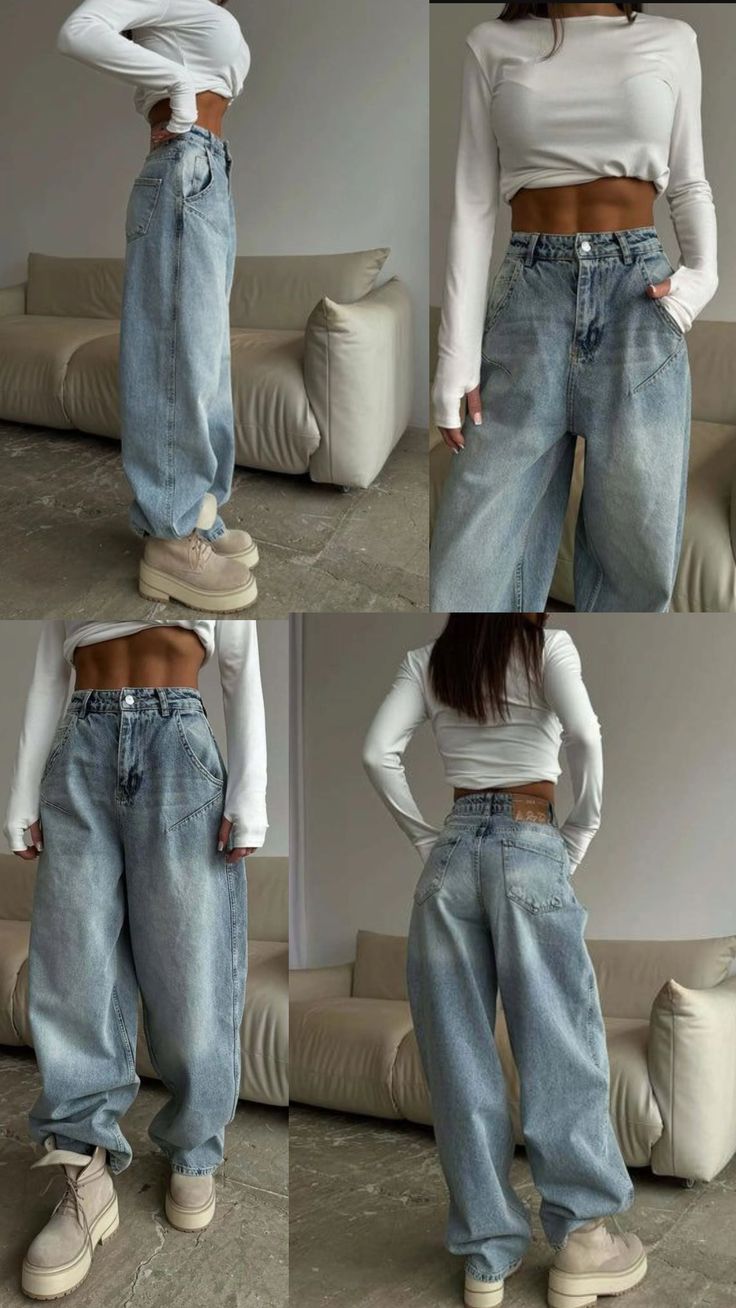
How to choose the perfect model: universal checklist
Even knowing all types of jeans, it can still be difficult to choose the perfect one. To simplify, evaluate jeans based on key parameters: rise, length, fabric, and color.
Rise
Rise determines where jeans sit on the waist.
- low rise – low waist;
- mid rise – medium;
- high rise – high.
High rise emphasizes the waist, while mid rise is the most universal.
Length
Length affects the overall silhouette. Main options:
- full length – classic;
- ankle – above the ankle;
- cropped – shortened models.
The right length balances proportions and improves the look.
Fabric
Fabric density is crucial. Thick denim holds shape, while softer fabric provides comfort. Elastane adds flexibility.
Color and wash
Denim color influences perception. Dark jeans look more versatile, while light or washed models feel more casual. Distressing adds character but reduces versatility.
Summary
Modern fashion offers dozens of jean styles, but understanding the basics makes it easy to navigate. If you focus on fit, rise, length, and fabric, finding the perfect pair becomes much easier.
Combining classic jeans with functional pants, such as those from TUR Wear, allows you to create a more practical and modern wardrobe for urban life.
 Austria
 Belgium
 Bulgaria
 Canada
 Croatia
 Cyprus
 Czechia
 Denmark
 Estonia
 Finland
 France
 Germany
 Greece
 Hungary
 Ireland
 Italy
Italy
 Latvia
 Lithuania
 Luxembourg
 Malta
Malta
 Netherlands
 Norway
 Poland
 Portugal
 Romania
 Slovakia
 Slovenia
 Spain
Spain
 Sweden
 U.S. Outlying Islands
 United Kingdom
 United States